Affiliate Disclosure: This post contains affiliate links, and the free workshop we link to is one we promote as an affiliate. If you register and go on to purchase anything, we may earn a commission at no cost to you. The workshop itself is free. We only recommend resources we believe are worth your time.
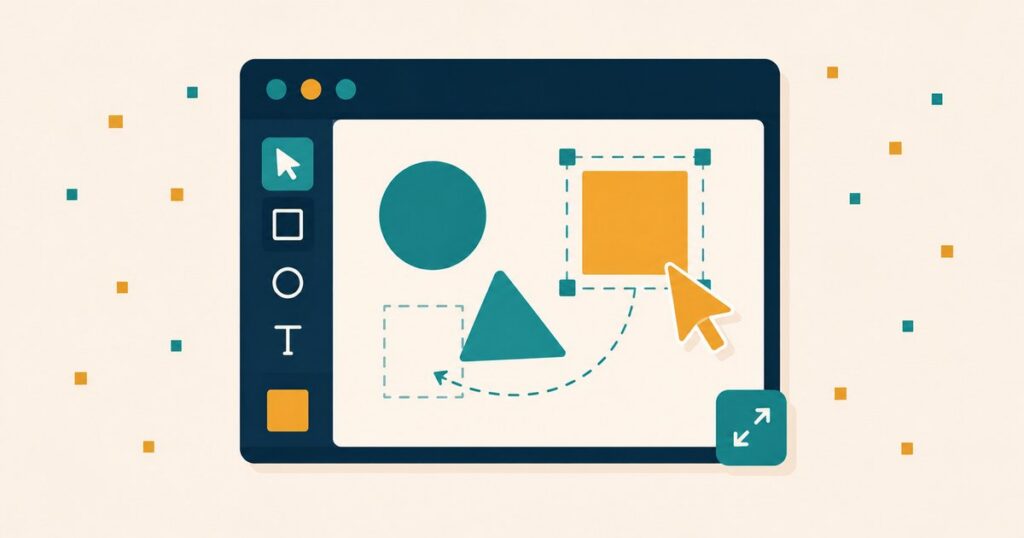
Canva is the reason a lot of people who “aren’t designers” now sell digital products anyway. You don’t need Photoshop, you don’t need a design degree, and you don’t need to learn a single keyboard shortcut. If you can drag a box and change a font, you can make something worth selling. The free plan covers most of what’s below; the paid one just makes a few steps faster.
Here are 15 products you can realistically build over a weekend. I’ve kept it honest about what each one tends to earn, because “you can make it in Canva” and “people will pay well for it” are two different questions, and you deserve both answers.
Quick Wins You Could Finish Saturday
These are the fast ones. Low effort, quick first sale, modest prices. Perfect for getting a shop live and learning how the whole thing works before you commit to anything bigger.
- Instagram carousel templates. Small businesses and creators are desperate for post templates that look consistent. A pack of ten editable carousels sells for $12–$20.
- Pinterest pin templates. Bloggers pin daily and hate designing every one. Give them 30 editable pin layouts and you’ve saved them hours.
- Quote and affirmation posters. Printable wall art in a clean style. Cheap per sale, but genuinely quick to produce in batches.
- Story highlight covers. Little icon sets for Instagram profiles. A tiny product, but they sell in volume and take an hour to make.
- Simple planners and to-do pages. A clean weekly layout, a meal planner, a cleaning schedule. Common, but a nice-looking one still finds buyers.
Mid-Weekend Projects Worth More Money
Give these a full day and the price you can charge roughly doubles. The extra value comes from solving a sharper problem for a clearer person.
- Lead-magnet templates for businesses. Editable checklists, one-page guides, and freebie opt-ins that small businesses use to grow their email lists. They’ll pay $20–$35 because it directly helps them make money.
- Brand kits. A coordinated set, logo templates, color palette, social layouts, business card. New small businesses buy these constantly.
- Pitch deck and proposal templates. Freelancers and startups need to look professional in a hurry. A polished, editable deck is worth real money.
- Printable workbooks. A goal-setting workbook, a launch-planning workbook, a self-care journal. More substantial than a single page, so you can charge $15–$27.
- Ebook and guide templates. Not the writing, the design. Sell other creators a beautiful layout they can drop their own words into.
The Bigger Swings (Still Doable in Canva)
These stretch beyond a weekend if you do them properly, but they’re where Canva stops being a printables tool and starts being the front end of an actual business.
- Template bundles and clubs. Bundle your best sellers, or offer a monthly “new templates every month” membership. This is how a $15 product becomes recurring income.
- A full course delivered with Canva slides. Canva makes clean, professional lesson slides. Package them with a workbook and you’ve got the makings of a real course.
- Done-for-you content packs. A month of social posts, captions included, for a specific niche like fitness coaches or real-estate agents. Niche it down and charge accordingly.
- Printable product lines with a signature style. Instead of one planner, build a whole coordinated collection that looks like a brand. Collections outsell one-offs.
- Editable templates you license to other sellers. Let other shop owners buy the rights to use your designs. A quieter income stream, but a durable one.
A Few Things That Separate Sellers From Hobbyists
Making the product is the fun part. It’s also the part that fools people into thinking they’re finished. Two quick habits matter more than the design itself.
The first is niching. A “social media template pack” competes with ten thousand others. A “template pack for yoga studios” competes with almost none, and the yoga studio owner feels like you read her mind. Narrow beats broad nearly every time.
The second is delivery. Canva lets you share a template as an editable link, which is exactly how you hand it over cleanly, the buyer clicks, gets their own copy, and edits away without ever touching your original. Get that flow right once and every future sale runs itself.
How the Editable-Link Delivery Actually Works
Since delivery trips up so many first-time sellers, it’s worth walking through properly. The mistake people make is sending the buyer their actual design file, which means the buyer can edit the seller’s master copy, a small disaster waiting to happen. Canva solves this with a specific share setting, and once you’ve set it up a single time, you barely think about it again.
Inside your design, you open the share menu and choose the option to share as a template rather than a normal link. Canva then generates a special “use as template” link. When a buyer opens it, they don’t land on your file, Canva hands them a fresh copy of their own, saved to their account, completely separate from your master. They can change every word and color; your original stays untouched, ready for the next sale.
The practical setup looks like this. You create a simple one-page PDF or text file that contains a short thank-you and the template link. When someone buys, that file is what gets delivered, most marketplaces and shop platforms send it automatically, so the whole transaction runs without you. The buyer downloads the little PDF, clicks the link, and they’re in. No emails back and forth, no manual sending at midnight. That automation is the difference between a product that earns while you sleep and a part-time job answering “where’s my file?” messages.
One tip that saves headaches: include a couple of lines of instruction in that delivery file. “Click the link, then hit Use Template to get your own editable copy.” Buyers who’ve never used Canva need that nudge, and it heads off most support questions before they happen.
Pricing Your Canva Products Without Guessing
Pricing paralyzes people, so here’s a simple way to think about it that isn’t just a random number. Price on the value of the outcome, not the hours you spent or the number of pages.
A set of Instagram templates that saves a small-business owner an afternoon every week is worth far more than the ten minutes it might take to design. That’s why business-facing products, brand kits, lead magnets, pitch decks, command higher prices than consumer printables: they help someone make or save money, and buyers price that against the alternative of hiring a designer. A planner competes with thousands of other planners on looks alone. A “client onboarding kit for freelance photographers” competes with almost nothing and can be priced like the professional tool it is.
If you’re unsure, look at what comparable products charge, then position yourself deliberately. Pricing at the very bottom signals “cheap and disposable” and attracts buyers who complain the most. Pricing slightly above the crowd, with presentation to match, often sells better, because price is itself a signal of quality. Test it. Raise a price and watch what happens, you’ll frequently find sales hold steady and your income per sale jumps.
And whatever you make, the way it’s presented decides whether the price feels fair. A template shown as a bare screenshot looks like a $5 file no matter how good it is; the same template shown in a clean, styled mockup looks like the premium product it actually is. It’s worth understanding how much of that perceived value comes down to the aesthetic and presentation of your shop, it changes what people will pay before they’ve read a single word.
The Question Canva Can’t Answer For You
Here’s the wall most people hit. You can build a gorgeous product in Canva by Sunday night. Then Monday comes and… who’s going to see it? Where does it get listed, how is it priced, and what makes a stranger trust you enough to buy?
That question feels heavier than it is, and it’s worth saying plainly: you don’t need a big following to answer it. Some of the most reliable ways to get a Canva product in front of buyers work even when you’re starting with no audience and no email list, you go where people are already searching, rather than trying to build a crowd first. That removes the most common excuse for never listing the thing at all.
It also helps to know what you’re aiming at before you open Canva. If you’d like a wider menu of products sorted by how much income each tends to build, not just what’s quick to design, this breakdown of digital products by earning potential pairs well with everything here. Design the thing, but design the right thing.
Design is the skill Canva teaches you. Selling is a separate one, and it’s the one that actually pays. A stunning template that nobody finds earns exactly nothing, while a plain-but-well-marketed one can quietly sell for years.
If you’d rather not guess your way through that half, there’s a free live workshop I point people to. It’s hosted by John Thornhill, who has built digital product businesses for years, and it covers the part Canva leaves out, how to turn a product into an offer people actually buy, and how to build the simple system that keeps it selling. It’s free to join, and it pairs neatly with anything you make from the list above.
So pick one idea, open Canva, and give your weekend to it. Then, before you get discouraged by a quiet first week, learn how the selling side actually works. The making was never going to be your problem, Canva made sure of that.
Free to attend. Come with a product idea, or come with nothing at all, either works.